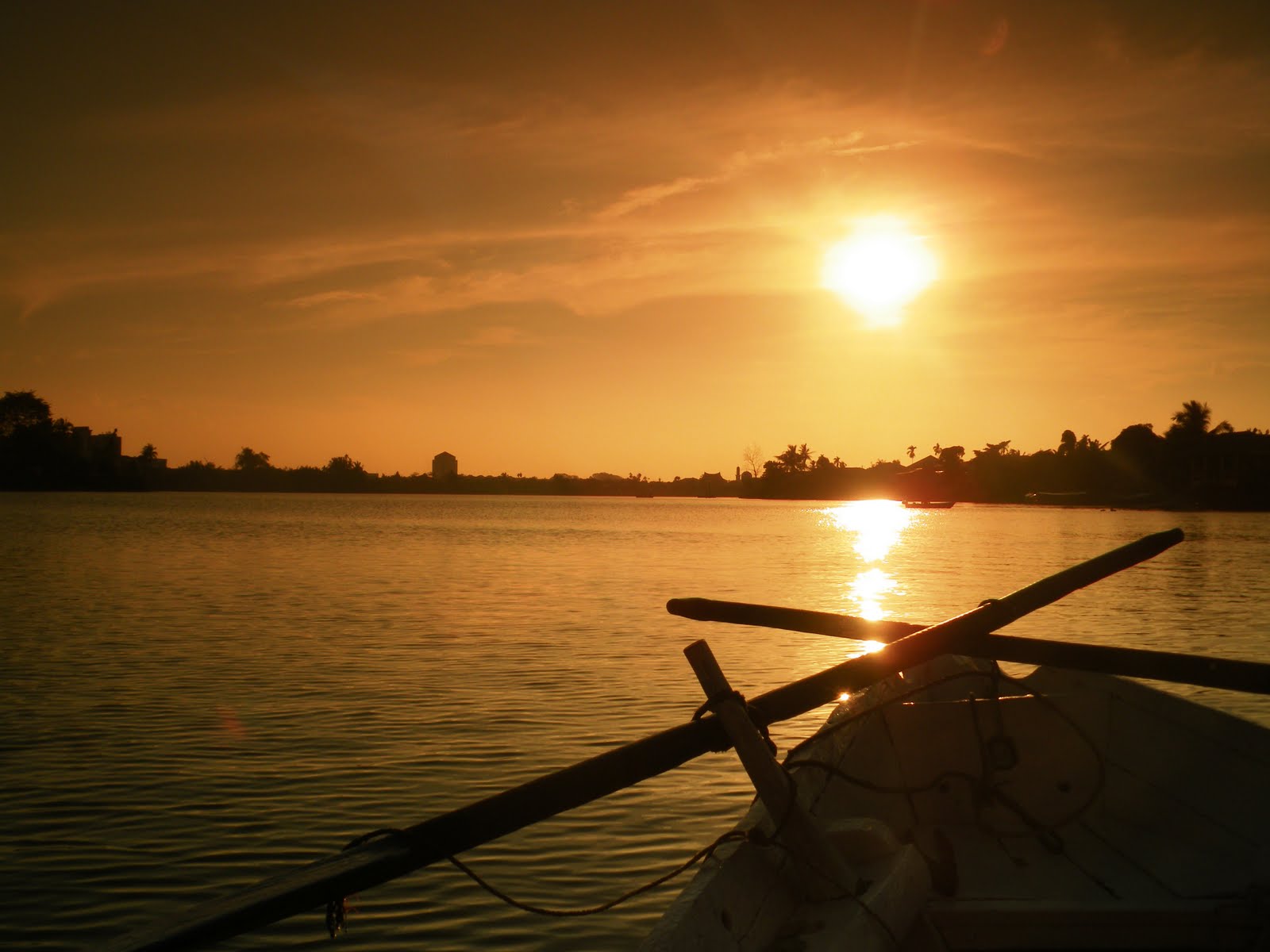
Wednesday, 18 July 2012

Best of Borobudur, Indonesia

Accommodation: Stayed at the budget Pondok Tinggal Hotel. First impressions of this large hotel constructed of bamboo and timber are that it looks far too grand for budget travellers, but actually it’s really cheap and it’s definitely everything you pay for (IDR. 25.000 per person).

There isn’t proper plumbing, and the dorms are a little dilapidated, but it has a beautiful atmosphere, especially with its stunning courtyard. I found hair and glass in the food, but if you’re a bit like me, it doesn’t really spoil the mood. As we went during the monsoon season, it was a little damp and cold.
Places to See: Well, Borobodur itself is absolutely breathtaking. It is a Buddhist stupa and temple complex in Central Java, Indonesia dating from the 8th century, and a UNESCO World Heritage Site. This is one of world's truly great ancient monuments, the single largest Buddhist structure anywhere on earth. Entry into Borobudur costs US$15/Rp 135,000 for adult non-Indonesians or if you are a student, like I was at the time, it’s US$8/Rp 72,000 – but you need proper proof like student ID.

We also did the Sunrise Package, for IDR. 250,000 per person, which was arranged by the hotel. This consisted of driving on the back of a motorcycle by experts in their field, to watch the sun rise over Borobudur from a near by hill. It’s pretty easy to get around and fun to do.

Getting to and from Borobudur: From the airport, we chartered a taxi, which obviously is a lot easier to do when there are five of you. A taxi from Yogyakarta airport to Borobudur costs around Rp 225,000. There are also buses to get to the main bus terminal in Yogyakarta. It’s about 10,000Rp from Borobudur via Muntilan to Yogyakarta for about 1 1/2 hours, and 5,000Rp from Borobudur to Muntilan.

Transport: Borobudur is definitely best on foot. It’s quite a small town and exploring around is the best way of getting authentic cuisine. But you can easily charter motorbikes from hotels.
After an epic trip getting out of Pontianak, we were relieved to be in a city more accustomed to female tourists. Getting a taxi was pretty immediate, and it was exciting to finally make our way to see the great Borobudur in the flesh.

The hotel was incredibly welcoming and looked very luxurious. But the monsoon season and recent natural calamity made the town look a little worse for wear. There were still traces of ash covering the horizon from Indonesia’s many volcanic eruptions.

In the dark, we were completely oblivious to the surroundings. But after a bit of an awkward sleep in the dormitory, and an even more awkward awakening at 5am to catch the sunrise, we realised that we were in a valley, encircled by volcanos.

In our sleepy states, we shuffled towards the back of the fleet of motorcycles awaiting us. It was rather exhilarating having the wind sweep across our face, the perfect wake-up call. But then came the struggle up a rather muddy hill. It was touch-and-go, but eventually we made it to the top as the sun started peaking through the gaps.

Now being monsoon season, it wasn’t exactly the best time to watch the sun rise over Borobudur. It was damp and cloudy, and so we could barely make out a silhouette in the distance next to Mount Merapi. But there was something mystical about the whole area, touched by restless spirits.

And then the big climax came. We headed towards the UNESCO World Heritage Site, excited to see what they had created.
800px-Borobudur_Stupa_Merapi Okay, on a sunny, clear day, it should look like the above picture. But it was very misty, and the volcanic eruption overshadowed the glorious structure. There was extensive renovation taking place, with builders removing ash, as well as local Indonesian students swarming the area, attempting to use their English skills – which meant only one thing.

Apart from being pursued by local hawkers, students darted questions at us from all angles. In the end, we ended up as Spaniards, and pretended we didn’t know any English. They were lovely and all, but at 7am, no one was in the mood to teach.


But no doubt, it was overwhelming to see the sight. Borobudur consists of six square platforms topped by three circular platforms, and is decorated with no less than 2,672 relief panels and 504 Buddha statues of various types. Climbing it can take some effort, so the earlier the better, before the midday sun hits the stupa.

There are six different postures of Buddha's statue from the bottom level to the top. These are contact with earth, giving and helping, meditation, fearlessness, teach and learn, and finally turning the wheel of dharma. The only way to fully appreciate the reliefs is to circulate clockwise throughout going upwards towards nirvana (and I don’t mean Kurt Cobain).

After heading through a labyrinth of stalls designed to lead you out of Borobudur, there was a well-worth the wait museum, which gives some background to the construction of the monument. The price is included in the ticket.

On the short walk back, we stopped off at a local food haunt, and the taste can’t get any better than sustenance made lovingly by someone’s own hands. And then it was time for a quick wash, and catching a bus to central Yogyakarta’s bus terminal for the next stop.

I was hideously wary of the fact that my friends were reluctant to go to our destination. And losing my favourite red scarf that had travelled with me throughout the world, was another dampener. It was another bad omen on our journey through the Indonesian isles.

Pontianak, Indonesia: The Gateway to Hell

Accommodation:  After a lot of walking from the main bus terminal, we found a relatively cheap hell hole in a side street. And after one night, we moved to an upmarket hotel, because that is all you can do in this city (no offence to Pontianaks).

Places to see: Ummm. Not the best place for sightseeing. Especially as a woman. Get ready for hideous ogling and lude remarks.

Getting to and from Pontianak: Buses depart Kuching regional bus terminal for Pontianak via the Tebedu-Entikong border crossing daily at 7:45AM. RM45 adult 1 way. From Pontianak, buses depart daily at 9PM. Fare is Rp 140,000. It takes about 4/5 hours one way.

The original plan was to take a boat from Pontianak to Java for about half the price of a flight. But it being one of the most unstable seas, even with our own boat sinking before arrival, taking a flight from Kuching makes a lot more sense .

Transport: Walkable city, but a little bit dangerous I found walking as a woman. But that’s just me.

From Malaysia to Indonesia by bus

Okay, crossing the border into Indonesia via bus is an interesting experience. I can’t lie that it isn’t exactly a woman-friendly place, so expect a lot of extra sexist hassle unfortunately. Hence taking a plane directly to Java is a much safer and better idea. Lucky enough, my partner was travelling with us four girls which made it much less unbearable.

The border crossing was nothing like Malaysia. It took almost an hour for them to process a visa, mostly because they were staring at us girls, rummaging through our bags, and searching through our underwear (no lie!). Once they saw a glimpse of a man, they hurried the process immediately, and the process was finished within 10 minutes. Not a good start unfortunately.

Eventually we made it, completely befuzzled without any hotel or onward transport of getting out of the port.

It was even more unnerving when we found out that Pontianak means the undead vampire of a woman who died while during childbirth. Disguised as a beautiful woman, the Pontianak goes around murdering unwary men, harming pregnant woman and eating babies, but they can be controlled by plunging a nail into a hole in the back of their neck. The irony is that it was us women running away from weary men over there and we were desperately attempting to find a way out.

We had everything organised. We were only supposed to spend a night there and then head off the next morning. But as fate has it, not only had there been torrential downpours and massive delays in the Java sea, we would have to stay there for almost 3 days. Not a happy bunny.

After one night of spending in a very rundown but friendly hotel, we decided to treat ourselves to a nicer hotel, especially since we would have to stay there for a few days now.

And by the riverside we stayed. It was much more luxurious, waking up to the waters with sun shining on our petit dejeuner. But then we got the news. That we would be stuck in that godforsaken place for a lot longer than expected. Partially because we got wind that our boat had sunk, and it was blocking all other boats from entering the port. We were edging towards the fourth day and drastic measures needed to be taken.

First step was getting a full refund on our tickets for the sunken boat. None of this ‘Act of God’ clauses thank you very much. And buying a rather more expensive plane ticket to Yogyakarta on the island of Java. Flights are around £40-£75, especially when bought last minute.

Well we did get to check out the local ‘mall’ which did resemble a Western one. There were some cute market shops beside the area as well. And that’s about it.

I think Pontianak was the first city where I know I’ll never return to, but sure as hell will remember. The day we left, we heard on the radio that President Mubarak had been ousted from his Egyptian ‘throne’ and the Arab Spring was in full swing. It was a sobering thought while we were complaining about the city.

Tuesday, 17 July 2012

Beautiful Borneo: Baku National Park

Borneo at Baku National Park as the sun sets.


Accommodation: Bako National Park on the island of Borneo, is in Sarawak, a state in East Malaysia. There were three types of accommodation available, had I been on my usual carefree, a dorm (RM15.90 per bed) would have sufficed. Alas, I took the slightly more expensive 'Lodge' option for RM53. As of July 2012: Adult single-entry to the park: RM20 Child/Senior single-entry: RM7. All of this can be arranged at the tourist office in Kuching.

Places to see: Well, it's the Borneo rain forest and jungle so rather self-explanatory. Not being the most athletic of people, I chose one of the lesser labour intensive treks. There are various options thankfully, depending on your level of fitness. I took the 45 minute Bukit Gondol trail which leads you to the highest point of the park. And not ending my hiking journey just there, I also took the 2 1/2 hour Tajor trek to see some beautiful waterfalls.

Nothing beats a night trek, or just a swim in the beach under the twilight moon though. Food and drink is pretty expensive there, so bring some supplies. And for god's sake, take adequate footwear and water for the hikes!

Getting to and from Bako National Park: From Kuching, take a taxi or Petra Jaya Bus No. 6 (RM1.50) to Kampung Bako (Bako Village). The journey takes approximately 45 minutes. Boats can be chartered (RM40 each way) at the National Parks Boat Ticketing Counter next to the jetty for the 30-minute boat ride to the Park HQ whilst registering your arrival at the Park Arrival Booth. The last bus back to Kuching leaves Kampung Bako at 5pm.

Transport: Apart from the boats to and from the park, unfortunately the only transport is your own two feet and well-built calve muscles.

Well, my memory is getting a little rusty these days, but it all started in a Petra bus heading towards the National Park headquarters. On the hour, every hour, and thankfully we were in time for the morning bus. After a casual 45 minutes, we arrived at the said destination, paid for our boat, twiddled our thumbs and hopped onto a motorised boat.

On arrival, we were greeted by an enormous monkey... head. And I don't mean a decapitated one, but one that seemed to be neatly carved out of the side of a cliff, resembling Mr King Kong himself. It was assurance that we were definitely in the right place - Borneo, the land of the amazing monkeys.

And it wasn't just lush, green hilltops and canopies looming above, it was golden shores, rain forest trees and a wild 'bearded boar' enticing us to the island of tropical breezes. This porky scared the living daylights out of me in the night however.

So without further delay, we checked into our beautiful rain forest lodge. And it is exactly what it is on the tin. Okay, don't expect running hot water and all those luxuries, but it was enough to get us by for 3 days. Besides the sea next door had enough water to bathe in and it wasn't yellow unlike the indoor plumbing.

As per usual, being a 'carefree' backpacker meant I had carelessly forgot to bring adequate footwear. So what should have been a relatively difficult hike, became a precarious one.

Past the handy man-made bridges came a network of tree roots and vines, webbed all across the side of a hill. Climbing in flip flops results in a lot of blisters, blood spots and bruised egos. So the prospect of five hours of this was a seriously worrying thought. After the first hurdle came straight but muddy plains and eventually more vines, so many a pause was taken during this trip.

At the end of long tunnel came a beautiful waterfall, which was perfect after drinking and sweating profusely, so drowning my puffy, red self in the blue waters was heaven. It was the walk back in the sunset that captured Borneo in all its glory. The sun beamed over the island, as if it was proud of its creation.

After a quick wash, nap and snack, a walk on the beach seemed like the apt thing to do. Miniature crabs moved sideways along the sand, leaving behind tiny holes. Some time passed, and everything on the horizon disappeared, leaving only a moonlight shimmer across the water. I was ready for a midnight splash, but definitely no more hikes. Especially since that creepy pig made another appearance that night, with his low grunts and beady eyes.

The next morning, I climbed to the highest point of the park. The vista was pretty spectacular, and thankfully there was a light spray making the walk a little more easier to manage.
And we couldn't leave the island without visiting its famous and endangered Proboscis monkeys. Its elongated nose is a sight worth waiting for. Apparently there's only around 150 left, hence I definitely wanted to see Borneo's indigenous species. Lucky for us, we spotted a whole family!
On the other hand, the cheeky macaques were all over the place, stealing food and the limelight. And then it was over, and I wanted to immediately return. Natural wonders such as Borneo are memories that are firmly ingrained into my psyche.

Thursday, 23 June 2011

Colourful Kuching: Malaysia

Accommodation: My Sarawak Travel Cafe Guesthouse was a bit of a life-saver during Chinese New Year, when Kuching was officially a ghost town. The dorms were clean and comfortable for an affordable price, the internet however was not. There was free brekkie consisting of bread, jam and hot drinks which was adequate; but information services were lacking. Wouldn't suggest it for couples, as the noise was unbelievable, and walls were incredibly thin. It was about 16 MYR (£4) for the dorm and a hefty 50 MYR (£12) for a double room. The dorm was worth the price, the double is the best you can get for the price. Berambih Lodge two doors down was quiter and comfortable, but again wasn't much for the same price. The laundry services were quite useful and the 'lobby' decor was really relaxed. Better for couples I think.

Places to See: Well, at first off I can say what NOT to recommend and that is the 'Women's Museum,' which might as well should have been called 'All the Minister's Wives' gallery. It had nothing of the splendour of Hanoi's Women's Museum that's for sure. But on the upside, there are plenty of relaxing spots to explore. Taking a local boat down Kuching's main river, the Sungai Sarawak is definitely worth the sunset view. There are also wonderful weekend markets on the southern edge of Jalan Satok, which provides a myriad of fresh, appetising food. There are also plenty of museums on offer, if you have the time to leisurely stroll. Kuching having an ethnically diverse population, the Sarawak Museum hosts a collection of cultural artefacts for the region's indigenous people. Similarly there are art and textiles museums all around. It generally is a lazy town, to enjoy a little bit of the finer things in life aka the marvellous food. But the main place to visit from Kuching is Bako National Park by far, which can be arranged at the Tourist Office in Kuching- remember to call in before to book accommodation.

Getting to and from Kuching: Okay, Kuching does not have many options in actually visiting the city, taking a plane from KL is the only choice for earlybird price of 80 MYR (AirAsia) otherwise it does double in price. Now depending if you want to head up to the province of Sabah, to visit Kota Kinabalu first or last, you can get a bus to and from with stop-off cities on the way. The express bus station on Jalan Penrissen, heads for longer distances, even to the Indonesian side of Borneo (Pontianak is the city) for 50 MYR, 9 hours though I would not recommend it at all- you will see why a few posts later. Bus 6 to Bako National Park leaves every hour from the open-air market.

Transport: There are taxis around, but if you have your sea legs at hand, then Kuching can be quite walkable. It isn't really designed for tourists, but there are taxis around that cost between 6 MYR to 10 MYR into town. From the airport, the taxi was 17 MYR. If you can figure out the bus system, then it is really cheap to get around. Again, boats are a great way to get around, for 15 MYR.

Arriving into Kuching in officially monsoon weather wasn't exactly the greatest welcome expected. And more so that it was Chinese New Year and so the town was deathly silent. Seeing the My Sarawak Travel Cafe, was like seeing water after weeks of dehydration. But seeing my dear friend from my travels in Cambodia was like seeing a fountain after walking through a desert. As a local Kuchinger, we were whisked away to Chinese New Year galore, aka meeting the extended family and being fed until we were obese. Just amazingly hospitable people, and the best way of experiencing a true New Year.

And after we were sufficiently stuffed, returning home (aka le dorm) to feel the full impact of the bloat was in order. But the night time was a whole other affair. With the expert in hand, the first monument we hailed was Kuching's slightly weird fascination with Cats. Yes, that's right- Cats. Probably because Kuching actually means 'Cat' and so all around town are rather peculiar giant statues of the feline creatures. (By the way there even is a Cat Museum which is just plain weird.) We were then reared into the first location of the night aka Chinese classy kareoke time. After a sing-song of Robbie Williams, Abba and Louis Armstrong later, we ended up in the Malaysian brassy kareoke next door.

It was like landing in the twilight zone only a few metres away from the origin of kareoke. Dancing go-go girls looking incredibly bored as they winded their hips in practically nothing but a handkerchief. All I kept thinking, my fem friends are going to kill me, as I attempted to flee for my life. Eventually the bored dancers jumped off stage, and it was time for us to make history and sing Bon Jovi in front of a bunch of gangster Malaysian people. Okay, so the singing was abysmal and the stares were frightening, especially as a man with sunglasses (it was dark, and night time) began to belt out 'Angels' by Robbie Williams a lot better than we did. It was definitely time to move especially as the police decided to swarm inside on some sort of raid.

And then the end of the night entailed clubbing to horrifically cheesy music, from 20 years ago and it was at that time I decided to bow out and sit with the older folk with a beer in hand. Problem was that by the time we reached our abode, the doors were locked tight. And with no one with an accessible mobile phone, chucking rocks and banging on the door became conventional for the next 20 minutes. Eventually, the poor, sleepy-eyed owners opened the door, and being especially English, we apologised profusely.

My friends headed off to Bako National Park in advance, whilst I wallowed in my headache and feeling generally exhausted- so this became my Sabbath day. Strolling around town was quite pleasant, except everything was still closed and trying find sustenance was impossible. Eventually, after being confronted by one of the giant Cat monuments, there resided a place to eat- phew. But today, we prepared to head to Bako National Park, aka the heart of the Borneo Jungle and I was excited beyond belief, despite weather warnings of being stranded on a boat to get there.


Skipping ahead after Bako, we returned to take that sunset boat ride downtown and take a glimpse into the Malaysian quarters which was like looking into a parallel world compared to the Chinese side. The houses were small and together, multi-coloured in a million hues and quite clearly economically less developed. But it was beautiful, and the people smiled and gestured kindly to us for visiting them.

Friday, 10 June 2011

The Agoraphobic Backpacker

I hadn’t officially been alone outside  for years. I thought being confined in a bubble-wrapped existence within my haven of a bedroom for the rest of my life was a perfectly plausible way of living. Thinking that having a chaperone to and from college, as well as general contact with the outside world would be one I would be able to continue even into my twenties. Clearly, that did not happen.

This needed to be attacked with drastic measures, and not just baby steps in and out of the front door. This required an entirely different backdrop, language and culture in order to tackle this magnitude of isolation. I needed to tread quickly out of my comfort box before it swallowed me whole, and be in a place where open spaces and people would not be the only issue I had. So my first attempt to escape was in 2007, eight thousand miles away from drizzling London to the growing metropolis of Shanghai.

It was everything I had never imagined. Developed, boisterous businesses flourishing within neon lit skyscrapers were a distant thought. More so, were the people who I spent the majority of my time communicating through hand gestures and pigeon Mandarin. And though the results consisted of me being confined to my frozen apartment, feasting on Snicker bars; it was the first move towards breathing the polluted air of the real world. I was officially infected with the travel bug.

Although at every try of living abroad, I have continued the same pattern of being locked up within four walls, it is the experience of living a parallel life (as an agoraphobic) each time. Exactly what had changed then?

Well, for those of you out there surviving inside on a computer, similarly imprisoned within a container, the best and only way is to bite the bullet first time and make that leap across several oceans. Obviously, it’s not as simple as ‘just go outside’ especially when you are agoraphobic. It never is. However, wide open spaces tend to feel more daunting, when you are in the unfamiliar, no matter where you are.

Hence the most important way of not suffering that intense vulnerability or feeling nauseous and panicked is to PLAN. If you are bit like me, and unable to enjoy spontaneous walks to “view the vista” or “clear your head,” then the handiest tip is to map out every part of your trip, including charting any ‘impulsive walks.’ By using specific targets during your sightseeing and be able to plot your journey back to your safe haven, you focus away from the feeling of falling. It is one of those ‘pinch your nose and eat it moments,’ travelling thousands of miles away, but you realise that you don’t need to rely on a crutch for the rest of your life. Therefore, I have devised the Agoraphobic Travel Cheat Sheet:


 It can be filled out something like this:

And yes it may be a bit laborious, but you can thank it later when you feel a little lost. Bringing a sense of direction into your travel is always essential for those who require a safety net as large as your home. Or the option could be to try something closer to home, a site in your own city perhaps that you desperately want to see. Still, the main prerequisite for an agoraphobic traveller is that you feel comfortable and safe enough to want to make that change in your life. A support, aka a friend on the other line, or even a travelling companion can always be useful. 

There are always those occasions where you sense the world is clearly engulfing you, striking pure fear down through your spine, especially at the most inappropriate of times. At this point, sitting down in one spot, looking down and most significantly breathing is key to stopping a panic attack. Inhale everything that surrounds you, including the wonderful views that you get to experience in a lifetime. And just hold on to that thought.

Evidently, this is not a long-term solution, but it is one that can give a slight amount of confidence to be able to move past this gruelling phobia in the future. Agoraphobia usually stems from deep-rooted issues that trigger panic when facing open spaces and the outside world. And though it is not a ‘cure,’ it has been my treatment in enjoying the most beautiful moments in life. 

(I apologise to all those who I have cancelled seeing over the years!)

Thursday, 9 June 2011

Candescent Kuala Lumpur: Malaysia

Accommodation: Okay so I wasn't exactly taking the 'cheap' option here, but if you are a travelling duo, then the price is usually affordable. Original backpacking place we tried out was relatively, not hugely cheap and pretty much everything fell apart there, including the beds and the doors. So we ran opposite to Hotel Nan Yeang, which was clean, central and pretty luxurious compared to the rest of the places we had stayed. Although the bathroom is shared, again there's a good shower. It is a Chinese run hotel, a bonus for me to practice my Mandarin. We payed about £5 each per night. Not as cheap as we hoped, but they have good information and airport taxi service.

Places to See: Apart from the obvious Petronas Towers that overlook the city and a hefty entrance fee (depends which point you see, ranges from 15MYR-38MYR), there is also the Menara Kuala Lumpur, which is equally gigantic and you get to see the Petronas Towers from there. The entrance fee is a little less, but not a huge difference and you need to get to a park and have the option of climbing up to the tower or get a free shuttle at the entrance. The time we went clashed with various festivals, also reflecting the multitude of ethnicities that live in Malaysia. Batu Caves is 13km north of the city and reached by bus 69 (1.20MYR) from Medan Pasar, Chinatown. The admission is free and the temple cave is guarded by the largest Murga (Hindu Shiva statue) in the world. Thean Hou temple was hosting its annual Chinese New Year festivities, a little weird and wacky with hundreds of Chinese people snapping photos, not so spiritual. There are plenty of little snack eateries lining the temple, alongside souvenir shops as well as shows to entertain for free. Catch a good dragon dance here for the festivities. There is a free bus that goes there from Hotel Midah in Kg Attap and KL Sentral during the new year. Otherwise just enjoy the plentiful food offered in Chinatown and Little India.

Getting to and from Kuala Lumpur: So I actually took a detour and had to go from Bangkok, as there are regular sleeper train services to Butterworth (a city on the border of Malaysia) for about £25, which you can book online in advance or buy at the station. You can continue further to Singapore as well. But the best thing is, you can get through the border in a matter of minutes. All they need to see is a valid passport. But make sure to take your bags and then you will be allocated back to some seats near the front carriage (as the train separates!) It is a long journey, around 27 hours so make sure you have enough snacks and entertainment. Once you get to Butterworth, take a bus that costs 30 MYR (follow the signs to the bus station) for about 5 hours to KL. The taxi to the main backpackers district (Jalan Sultan) is about 15MYR. They also have intercity railway named the KTM going to Singapore and Bangkok, and other cities in the Malaysian Peninsula.


Transport: KL's transport system is pretty well-established and convenient. Just buy coin tokens to get around on the metro, one of the longest automated driverless metro systems in the world, the Kelana Jaya Line (don't worry, it doesn't resemble The Simpson's Monorail). They also have a similar Oyster (Touch n Go) system if you are staying for a long period of time. Single fares are around 0.37 MYR.


A 27 hour journey of twiddling thumbs, charades and cards, as well as one border crossing equals ending up in a tiny town named Butterworth. The name was a bit suspect I must admit, and so we headed out of there within the hour, catching a bus to the main city Kuala Lumpur. It was another humdrum of a city, packed with skyscraper banks and sparkling shopping malls. Not really what I had in mind, and so we ended up in the other end of the spectrum and town aka Chinatown.

The red lights illuminated the rowdy, bustling crowd as well as the small snack stalls lining up Jalan Sultan. And the original backpacker's hostel just seemed too dilapidated after 32 hours of travelling. Hence a dash across the road, and voila, a slightly more upmarket room and an adequate, horizontal bed. It was luxury compared to being cramped up on a sleeper train. After an ample-sized meal, it was time for beddy bye byes.

The metro was a smooth engagement as we headed to KL's main sightseeing spot aka the Petronas Towers. And it was capitalism in phallic form, so was quite glad that it was filled that day. Instead we went to the secondary rising tower, the Menara Kuala Lumpur- says it all really. Except the only affinity it had with a menara was the perpendicular form. It paralled our own BT Tower in London, with its flash appearance and metropolitan atrium. For some bizarre reason, attached to the structure was a variety of animals ranging from horses to monkey in the park's zoo. Similarly, the views were considerably eerie, as storm clouds began to approach the horizon. An eclipse alien-like shape shrouded the city, with only flecks of sunlight beaming down rays across certain buildings. And we were amongst the clouds at that height.

Getting sufficiently soaked on the way back was customary having seen the tempest brewing from the tower. Monsoon season was well on track for Malaysian climes. We were fortunate with the skies the next day when we headed to the Batu Caves, 13 km north of KL. Eventually we stumbled over a cliff side with a mammoth sized golden Shiva statue guarding the entrance to this religious site. Hundreds of worshippers climbed the steep stairs surrounded by cunning little monkeys, attempting to steal anything detachable. Neighbouring the pesky but adorable monkeys as well as general crowd was filming for what seemed to be a Sri Lankan movie. A cheesy looking hero peddled up and down the stairs, miming and dancing in a Hawaiian shirt; being laughed at and admired, all at the same time.

Inside was a whole other kettle of fish. A swarm of Hindu prayers echoed through the abyss, and statues encompassed several corners of the cave. It was time for another Hindu epic explanation to those who seemed a little clueless to these weaponed figures, (again, thanks mum for those nightly stories.) Definitely a good place for a South Indian curry.

At night time, you can catch Pasar Malam (night market) in Chinatown, as well as the Central market next door to it. Downtown is a vibrant and colourful kind of habitat, away from the money-hungry feel of the Petronas Towers. And the colours are extended to Thean Hou, an amusement park of a shrine, but no less exhuberant. People might expect a spiritual haven to escape to, but end up in a flashing jungle. The camera lenses glared at the main arena, desperate to make an impression with incense sticks and prayers. So don't expect the Dalai Lama to pass by any time here.

Thean Hou is a little difficult to get to if you don't happen to be amidst the festivities, so maybe not something to go out of your way for. Instead, on the way to Hotel Midah from Chinatown, is the Chan See Shu Yuen temple; the clan house (kongsi) of the Yuen family. It is the largest and oldest in KL, with the present version completed in 1906. A well-preserved family heirloom for all to be inspired by.

Incredible Inle: Myanmar

Accommodation: Four Sisters Inn was a little gem off the beaten track, and right by the magnificent Inle Lake. Rooms around a garden were around $5- $6 for a simple single room, pretty basic. There is also breakfast with pancake and deals with boats, I paid around $10 for a trip around the lake and local fishing villages, although opted out of a few factories, hill tribe ogling within the package. Interesting dining spot sometimes with traditional music instruments. May need to book in advance, as it is a popular little spot.

Places to See: Of course Inle Lake in itself along with all of the surrounding fishing villages. Make sure to negotiate a good boat trip, as they would like to take you to factories and other places not specified on the itinerary on commission. You are looking at about $10-$15 for a half/ full day boat trip. Apart from this, you can also catch a free puppet show usually starts around 7pm. It is a donation-only basis, and definitely a good cause, keeping traditional arts alive in Burma. It is rather cold up in the north, especially around the lake so wrap up warm.

Getting to and from Inle Lake (Nyaungshwe or Heho Airport): Okay, there are two options: 1. In order to avoid giving money directly to 'state-funded' institutions, taking a bus is the most 'spectacular' way of getting here, as well as a sure-fine way of getting majorly ill. The minibus from Bagan costs around $10 (11,000 Kyats) and you spend 12 hours of hell cramped up on top of a wooden bench and blaring wind- as there is no car door. However, it really depends on how passionately you want to oppose the regime, sometimes you have to just invest in a flight. 2. If you could take the more expensive option, its about $60 one way to Heho airport, from which you need to take a taxi into the town. Four Sisters Inn have their own driver which you can tell in advance, however there is a fee for getting into town and taxis at the airport charge extortionate prices.

Transport: Well the name says it all. Inle Lake is best seen by boat, however the town itself is fairly small and easy to walk around. There is a main road that most of the side roads are connected to, using the standard grid system layout.

After quietly 'missing' my minibus to Inle Lake- aka I jumped on in a rush, realised I had forgotten most of my valuables and in a daze figured that this was on a road to hell - I took a flight the following day with guilty pangs and reached there within the hour. On the flight was a veteran traveller, a middle-aged American man, and also an established tour guide escorting a group of very stereotypical elderly Americans. 

He knew the country like the back of his palms, having already travelled around Myanmar 14 times, so a few tips were much needed. He spoke about the fact that this particular group didn't resemble anything like the previous groups in his heyday. Trekking through the mountainous regions of Inle was nothing like what he had planned for this group, attired in sweat pants, plimsoles and golf caps. Rather a nice relaxing tour, staying around the lake and enjoying the fresh air. However, I had a rather less fancy affair, and a cheap guesthouse was what I had in the cards. 

I reached Heho Airport finally realising I hadn't quite informed the hotel of when I was coming due to the problematic connections between the cities. So letting them know as I reached meant I had an hour or so to wait at the airport, in which time plenty of Burmese men and elderly Korean tourists came to ogle at the odd little Indian woman sitting with a giant orange rucksack and hoodie, listening to her MP3 player. Eventually, two congenial men approached stating that they here to take me to Four Sisters Inn, one being the other brother to the siblings. The conversation on the way, turned to family talk as he explained one of the four sisters was now abroad, married to German man. And the guesthouse certainly reflected the family feel when I was greeted by 3 generations of Inle heritage.


After sufficiently settling in, I headed out to the lush lake in a traditional canoe boat fully equipped with motor (otherwise it would have taken more than a day.) Whilst witnessing the mountainous marvel reflected in the opaque, still waters, we conveniently stopped midway in front of a local fisherman. The process included a large net, a punting stick and a hardy man dunking these into the water in order to retrieve a variety of speckled fish. And though it was all part of the Inle itinerary, it was a wonderful sight to behold, and just the beginning of the fishing journey. Further down the line came the villages and the smiling children playing upon petite boats and houses floating upon the lake. Customarily, I was lead to a factory, but one that it unusually produced material goods out of lotus flower fibres.


I took the opportunity to feed my curiousity, so I dabbled around to see how these wonderful scarves, bags and other material goods were made. I also refused to fall for any touristic exploits and quickly headed to a point beside the lake in order to breathe in the breathtaking view. And although the Inle itinerary consisted of a fair few commissioned locations, I opted out of ogling hill tribes and taking in any more factories, certain that I would not spend any more of my last few dollars. Instead, whizzing back and having the cool, refreshing spray from the opaque lake was much more to my taste and to my sanity (having slept and hour out of 24).


The hotel was welcoming, specifically the bed and as my head drifted off to dream world, I planned my next trip to a traditional puppet show, a dying art in Myanmar. A spot of light dinner, and I was on my way at 7pm to catch a show in half an hour. The Aung Puppet Show is definitely worth a mention. As I sat with the puppet master drinking tea, he explained as he pointed to a picture of an elderly chap, that his grandfather was a legendary puppet master. Three generations had been taught the fine art of puppetry,but unfortunately he exclaimed, "Children just want to watch TV now, and so we struggle to entertain." I nodded in agreement, as I sat alone on the audience bench. The master ushered to people outside to join his donation-based theatre, but alas, their reluctance was seen on the face and so they managed to flee.


What they missed was a chance to meet Burmese at its best and at its original. All the wooden marionettes featured in the show were carefully crafted by Aung, the master who also sadly has to moonlight in other services in order to keep his puppet show alive. He explained that thanks to the Government, traditional arts are still continued due to their nationalistic patriotism by nature. And so, he attends an annual nationwide puppet competition, keeping him on top of his game. His travelling family were established in Yangon and Bagan, when the show was at its pinnacle, lead by Grandfather Aung. But over the years, it had considerably grown smaller in size, hence being placed on a side street in a quiet little town. It made me even more passionate to see it, and so I eagerly awaited to be doused in culture.


My favourite puppet resembled a small Pinocchio-like marionette that was created to play football, and so it had almost 20-30 different strings being controlled at one point. The puppet master's hands slightly visible from the top, was moving at lightening speed, delicately moving each one to produce an almost human-like movement. I was enlightened that's for sure. However, being stupid enough to 'miss' my minibus meant I had the most limited time in Inle, and so I was off like a shot in the early dawn. But not before watching the wonderful sun rise of the beautiful Inle.